Ink, paint and color marks on carpet
Pigment does not sit on carpet the way grease or food does. Ink, dried color and rust are meant to bind, and sometimes they do. Most old marks come out, but a stain that alters the original dye can leave a trace behind.
Why testing a hidden spot matters here
A hidden corner tells you if the carpet dye is stable. With mud or sauce, a test just checks the fabric. With heavy color, the test shows whether your carpet holds its own shade while the fresh mark lifts.
Check a closet edge first. If the original color transfers to your white cloth, stop. You cannot pull added pigment out of a fiber that gives up its own tint just as easily.
When color alters the strand itself
Some marks act like fresh dye. When felt marker or printer ink dries, it can permanently shift the tone of the pile beneath it. What looks like remaining stain is sometimes altered carpet.
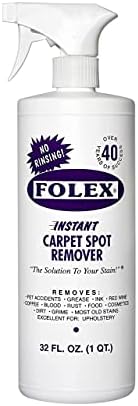
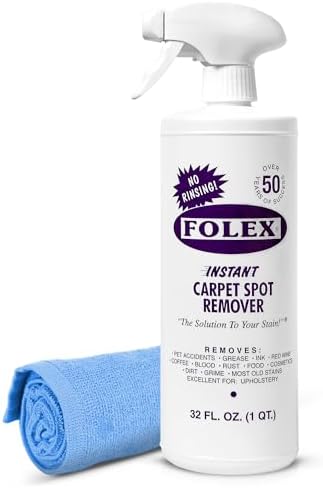
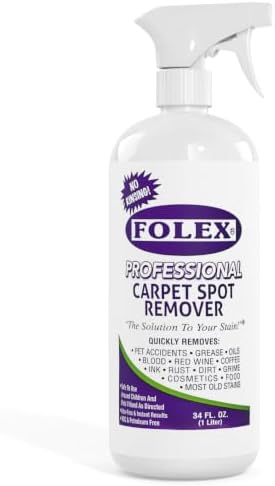
We had a review from a customer saying a marker beat us. It happens. Most old stains come out, but when a chemical dye locks into a synthetic fiber, the color change can be permanent.
What to expect as pigment lifts
Ink and paint often transfer in stages. The first pass takes the heaviest top layer, leaving a lighter shadow behind. That shadow shows how far the carrier liquid spread before it dried out.
Watch the cloth as you work. If pigment stops moving onto the fabric, the remaining shade is what bonded with the carpet. Stop once the transfer ends so you do not fray the damp yarn.
What this note covers
Ink
Ballpoint paste stays thick on the surface, while liquid pen ink spreads outward immediately. Blot the damp center without pushing color into dry surrounding yarn.
Paint
Dried latex forms a skin that must soften before color moves. We do not name paint on the bottle, but if pigment transfers to your cloth, keep going until it stops.
Rust
Oxide marks stiffen the fiber and sit deep in high traffic lanes. Rust transfers as an orange-brown shade that lightens slowly rather than all at once.